
Presto 23-Quart Pressure Canner: A Comprehensive Guide (Updated 04/22/2026)
This guide details the Presto 23-Quart Pressure Canner, walking you through the canning process, necessary supplies, and a thorough review of the appliance itself.
Pressure canning is a remarkably effective method for preserving low-acid foods like vegetables, meats, and poultry, ensuring long-term storage and safety. Utilizing a Presto 23-Quart Pressure Canner allows home cooks to confidently achieve this, creating shelf-stable products.
Unlike water bath canning, which is suitable only for high-acid foods, pressure canning reaches temperatures high enough to destroy Clostridium botulinum spores – the bacteria responsible for botulism. The Presto canner, as demonstrated in recent guides, simplifies this process.
This comprehensive guide will navigate you through each step, from understanding the canner’s components to mastering proper venting and processing techniques. We’ll focus on the 23-quart model, referencing its manual to ensure accuracy and safety throughout your canning journey.

Understanding the Presto 23-Quart Model
The Presto 23-Quart Pressure Canner is a versatile appliance functioning as both a pressure canner and a water bath canner. Its large capacity makes it ideal for processing significant quantities of food, perfect for garden harvests or bulk cooking. The model’s design prioritizes safety and ease of use, featuring a locking lid and weighted gauges.
Referring to the official manual is crucial; it details specific instructions for both pressure and water bath canning. Understanding the difference between the two methods, and when to employ each, is paramount. The 23-quart size accommodates standard canning jars efficiently, maximizing space within the canner.
This model’s robust construction ensures even heat distribution, vital for consistent and safe processing.
Key Features and Benefits
The Presto 23-Quart boasts several key features enhancing the canning experience. Its dual-purpose functionality – pressure and water bath canning – offers versatility for various recipes. The spacious 23-quart capacity minimizes batch sizes, saving time and energy. A deluxe rack is included, preventing jars from directly contacting the canner’s base.
Benefits include preserving food for long-term storage, reducing food waste, and controlling ingredients. The pressure canning function allows safe processing of low-acid foods like vegetables and meats. The manual provides detailed guidance, ensuring proper operation and optimal results.
Its durable construction promises years of reliable service, making it a worthwhile investment.
Safety First: Essential Precautions
Prioritizing safety is paramount when using a Presto 23-Quart Pressure Canner. Always consult the manual before each use, understanding all instructions and warnings. Never attempt to open the canner until pressure has fully released – use the natural cooling method or the vent carefully.
Ensure the pressure regulator weights are clean and functioning correctly. Inspect safety valves regularly to confirm they are unobstructed. Avoid overfilling jars, leaving adequate headspace as specified in recipes.
Proper venting is crucial; follow the manual’s procedure precisely. Never modify the canner or use incompatible parts.
Components of the Presto 23-Quart Canner
The Presto 23-Quart Pressure Canner comprises several key components working in harmony. The robust Canner Body, constructed from heavy-gauge aluminum, provides even heat distribution. The securely fitting Lid creates a pressurized environment. Pressure Regulator Weights maintain precise pressure levels during processing.
Essential Safety Valves prevent excessive pressure buildup, ensuring safe operation. The Rack inside protects jars from direct contact with the bottom. Understanding each component’s function, as detailed in the manual, is vital for successful and safe canning.

Canner Body and Lid
The Presto 23-Quart’s body is crafted from durable, heavy-gauge aluminum, designed for rapid and even heat distribution – crucial for consistent processing. Its generous 23-quart capacity accommodates significant batches. The Lid features a secure, clamp-lock system, ensuring a tight seal to build and maintain necessary pressure.
Proper alignment is vital; the manual emphasizes checking the gasket for flexibility and cleanliness before each use. The lid’s design incorporates safety features, working in tandem with the body to prevent accidents. Regular inspection of both components guarantees optimal performance.
Pressure Regulator Weights
The Presto 23-Quart utilizes weighted gauges to regulate internal pressure, offering a reliable and straightforward method. Typically, it includes weights for 5, 10, and 15 PSI settings, catering to various food types and altitudes. The manual stresses the importance of using the correct weight for your recipe and elevation.
These weights gently rock or jiggle to indicate the maintenance of the desired pressure. Consistent monitoring of this action is key. Never add extra weights, as this can create a dangerous situation. Proper cleaning and storage of the weights are also outlined in the manual.

Safety Valves
The Presto 23-Quart pressure canner is equipped with multiple safety mechanisms, primarily safety valves, to prevent dangerous pressure build-up. The manual emphasizes these are crucial for safe operation. These valves automatically release excess pressure if the regulator fails, preventing explosions.
There’s a steam vent and a safety disc, each with a specific function. The vent releases steam during venting, while the disc is a one-time use safety feature. Never attempt to tamper with or block these valves. Regular inspection, as detailed in the manual, ensures they are clear of obstructions and functioning correctly.
Preparing for Canning: Supplies Needed
Successful pressure canning with your Presto 23-Quart requires specific supplies, detailed in the user manual. Essential items include canning jars – Mason jars are recommended – in various sizes, depending on your recipe. You’ll also need new lids for each canning session, and reusable canning rings.
Beyond jars, specialized tools are vital: a jar lifter for safe handling of hot jars, a wide-mouth funnel for neat filling, and a headspace tool to ensure proper headspace. The manual also suggests having clean cloths for wiping jar rims, and a large pot for pre-heating jars, enhancing their sealing ability.
Jars, Lids, and Rings

The Presto 23-Quart manual emphasizes using proper jars, specifically Mason jars designed for canning. Inspect jars for chips or cracks; discard any damaged ones. Lids must be new each time, ensuring a proper seal. Reusing lids compromises safety and can lead to spoilage.
Canning rings are reusable, but should be checked for rust or damage. Ensure they fit snugly on the jars. The manual details proper lid preparation – often involving a warm water soak – to soften the sealing compound. Correct jar, lid, and ring selection are fundamental to safe and effective canning with your Presto.
Canning Tools (Jar Lifter, Funnel, etc.)
The Presto 23-Quart manual highlights essential tools for safe canning. A jar lifter is crucial for safely lifting hot jars from the canner, preventing burns. A wide-mouth funnel simplifies filling jars without spills, maximizing efficiency. A magnetic lid lifter helps retrieve lids from hot water, maintaining sterility.
Other recommended tools include a bubble remover/headspace tool to eliminate air pockets and ensure proper headspace. Clean kitchen towels are vital for wiping jar rims. The manual stresses using only tools specifically designed for canning, avoiding makeshift solutions that could compromise safety or sealing.
Food Preparation Guidelines
The Presto 23-Quart manual emphasizes meticulous food preparation for safe canning. All produce must be fresh and free from spoilage; promptly can at peak ripeness. Meats should be trimmed of excess fat. Proper washing is critical to remove dirt and debris.
The manual details specific preparation for different foods, including peeling, chopping, and pre-cooking requirements. Following recommended recipes is paramount, as processing times are tailored to food type and density. Hot-packing (heating food before jarring) is often recommended for better color and flavor retention, as outlined in the guide.
The Canning Process: Step-by-Step Instructions
The Presto 23-Quart manual guides users through a precise canning process. Begin by adding the correct amount of water to the canner – typically 2-3 inches. Place jars on the rack using a jar lifter. Fill jars, leaving headspace as specified in recipes. Remove air bubbles with a non-metallic spatula.
Wipe jar rims clean, apply lids, and tighten rings fingertip-tight. Secure the lid, vent for the prescribed time, then add weights. Monitor pressure closely, adjusting heat to maintain the target pressure throughout processing. Cool naturally before removing jars, following the manual’s safety instructions.
Filling Jars Correctly
The Presto 23-Quart manual emphasizes proper jar filling for safe canning. Food should be packed into clean jars, leaving the recommended “headspace” – the space between the food and the lid. Headspace varies by food type; fruits and tomatoes need ½ inch, while low-acid vegetables require 1-1¼ inches.
Use a non-metallic utensil to remove air bubbles trapped within the jars, ensuring proper heat penetration. Wipe the jar rims thoroughly with a clean, damp cloth to remove any food residue. This ensures a good seal. Follow recipe guidelines precisely for optimal results and food preservation.
Proper Venting Procedure
The Presto 23-Quart manual details a crucial venting step. After securing the lid, leave the vent port (steam vent) open. Heat the canner on high until a steady, robust stream of steam escapes for 10 full minutes. This purges air from the canner, vital for accurate pressure development.
After venting, place the weighted gauge or close the petcock (depending on your model) to begin pressurizing. Maintaining this venting period is non-negotiable for safety and proper processing. Failure to vent adequately can lead to under-processing and potential food spoilage.
Achieving and Maintaining Correct Pressure
The Presto 23-Quart manual emphasizes precise pressure control. After venting, the weighted gauge will begin to jiggle, or the pressure indicator will rise, signaling pressurization. Adjust the heat to maintain the pressure specified in your recipe – crucial for safe food preservation.
Consistent monitoring is key. Fluctuations in pressure require heat adjustments. Too low, and food won’t process adequately; too high, and it could burn or affect jar seals. Refer to your recipe’s processing time after the correct pressure is reached, and maintain it throughout.
Processing Times for Different Foods
The Presto 23-Quart manual dictates processing times vary significantly based on food acidity and density. Low-acid foods like vegetables and meats require higher temperatures and longer processing times – typically 75 to 90 minutes at 11 PSI for altitudes below 2,000 feet.
High-acid foods, including fruits and pickles, need less intense heat and shorter durations, often around 10 to 20 minutes at 11 PSI. Always consult the manual and tested recipes for specific times, adjusting for your altitude to ensure safe and effective preservation.
Low-Acid Foods (Vegetables, Meats)
The Presto 23-Quart manual emphasizes the critical need for precise processing of low-acid foods. Vegetables and meats harbor Clostridium botulinum spores, demanding 11 or 15 PSI pressure (depending on altitude) to achieve safe sterilization.
Proper venting is paramount before pressure build-up, ensuring all air is expelled. Processing times, as detailed in the manual, range from 75 minutes for pint jars of green beans to 90-110 minutes for larger cuts of meat. Strict adherence to recommended times is non-negotiable for food safety.
High-Acid Foods (Fruits, Pickles)
The Presto 23-Quart manual clarifies that high-acid foods, like fruits and pickles, can be safely processed at lower temperatures. While pressure canning is suitable, a boiling water bath is often sufficient due to their inherent acidity inhibiting Clostridium botulinum growth;
However, the manual notes pressure canning offers faster processing times and can improve texture retention, particularly for fruits. Processing times vary; for example, peaches require 10 minutes at 10 PSI, while pickles may need 15-20 minutes. Always consult the manual’s charts for specific food recommendations.
Troubleshooting Common Issues
The Presto 23-Quart manual addresses frequent concerns. If pressure isn’t reached, ensure adequate liquid, a properly sealed lid, and correct weight selection. A slow vent indicates a blocked vent pipe – carefully clean it after cooling. Lid sealing problems often stem from nicks in the jar rim, insufficient headspace, or improper lid application.
The manual stresses never forcing the lid open while pressure remains. If jars don’t seal, refrigerate and consume soon, or reprocess with new lids. Always refer to the manual’s detailed troubleshooting section before attempting repairs, and prioritize safety above all else.
Pressure Not Reaching Target
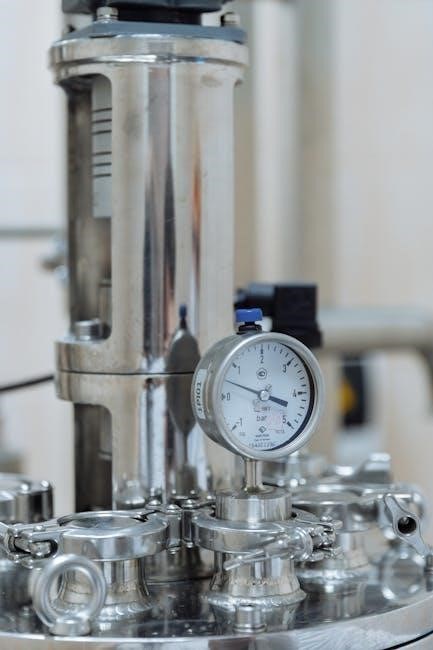
The Presto 23-Quart manual highlights several causes for failing to reach pressure. Insufficient liquid in the canner is a primary culprit; always adhere to minimum liquid requirements for your recipe. Ensure the lid is correctly sealed – a misaligned or damaged gasket prevents proper pressurization. Verify the correct pressure regulator weight is being used for your altitude, as this significantly impacts performance.
Check for obstructions in the vent pipe, and confirm the vent is steaming freely before locking the lid. The manual advises patience, as it takes time to build pressure. If issues persist, consult the manual’s detailed troubleshooting guide.

Lid Sealing Problems
The Presto 23-Quart manual addresses lid sealing issues comprehensively. A common cause is food particles or residue on the jar rim, preventing a vacuum seal. Ensure rims are meticulously clean before applying lids and rings. Inspect the gasket for cracks, nicks, or hardening; a damaged gasket compromises the seal. Properly tightened rings are crucial – snug, but not overly tight, allowing air to vent during processing.
The manual emphasizes using new lids each time, as the sealing compound degrades with reuse. If jars don’t seal after cooling, the manual suggests re-processing with new lids within 24 hours.
Cleaning and Maintenance of Your Presto Canner
The Presto 23-Quart manual stresses regular cleaning for longevity. After each use, wash the canner body, lid, and rack with warm, soapy water; avoid abrasive cleaners. Inspect the vent pipe and steam ports for obstructions, clearing them with a pipe cleaner if needed. The manual advises checking the rubber gasket for wear and tear, replacing it annually or as needed.
Avoid immersing the lid in water, as it can damage the pressure regulator. Store the canner with the lid upside down to prevent gasket compression. The manual details a yearly inspection of safety valves, ensuring free movement.
Resources and Further Information
For comprehensive guidance, the official Presto website (www.goPresto.com) offers downloadable manuals, FAQs, and recipe resources specifically for the 23-Quart Pressure Canner. The National Center for Home Food Preservation (NCHFP) provides science-based canning instructions and safety guidelines (nchfp.uga.edu).
Local county extension offices often host canning workshops and offer personalized advice. Numerous online forums and communities dedicated to home canning provide a platform for sharing experiences and troubleshooting. Always prioritize information from reputable sources, cross-referencing with the Presto manual for accurate procedures.