
Overview of Wood-on-Wood Drawer Guides
Wood‑on‑wood drawer guides combine precision milling with aesthetics‚ offering travel and durability. As of 07/26/2026‚ designers emphasize tight tolerances‚ low‑friction surfaces‚ and eco‑friendly finishes. Popular Science highlights these trends‚ urging builders to adopt sustainable wood choices.
Definition and Basic Functionality
Wood‑on‑wood drawer guides are precision‑cut wooden tracks that slide along a complementary wood surface‚ allowing a drawer to move smoothly while maintaining a natural aesthetic. Their core principle is a tight fit between two wood pieces: a recessed channel in the drawer’s base and a matching groove in the cabinet frame. This contact area reduces friction‚ eliminates the need for metal slides‚ preserves integrity of the wood grain. The guides are typically made from hardwoods such as maple‚ cherry‚ or walnut‚ chosen for their density‚ stability‚ and resistance to wear. By machining the channel to exact dimensions‚ manufacturers achieve a near‑zero‑gap interface that distributes load evenly and prevents binding. The basic functionality is simple: as the drawer is pulled‚ the wood‑on‑wood interface glides‚ and the guide’s shape keeps the drawer aligned‚ preventing wobble or mis‑alignment. When the drawer is pushed back‚ the same contact ensures a smooth return. This system is ideal for cabinetry that values both performance and a seamless‚ unbroken wood look‚ and it can be integrated into a wide range of furniture styles without visible hardware. By combining meticulous woodworking techniques with a focus on precision machining‚ these guides not only provide reliable drawer operation but also enhance the visual harmony of the piece‚ allowing craftsmen to showcase the natural grain and subtle variations of the wood without compromising functionality or durability. It remains essential for artisans.

Material Selection for Drawer Guides
Hardwoods like maple‚ cherry‚ walnut offer density‚ stability‚ and low wear. Softwoods such as pine or spruce are lighter but less durable. Selecting grain orientation and avoiding moisture‑prone species ensures longevity and smooth sliding. All wood.———
Hardwood vs. Softwood Performance Differences
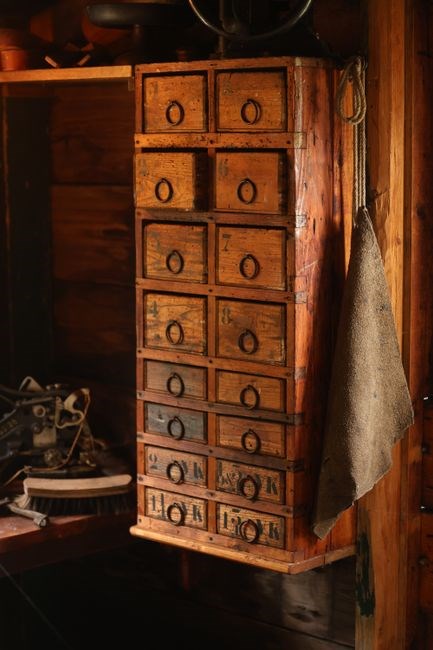
Hardwoods such as maple‚ cherry‚ and walnut provide superior strength‚ lower shrinkage‚ and higher resistance to wear‚ making them ideal for drawer guides that endure frequent motion. Their dense grain structure reduces friction and allows for tighter tolerances‚ enabling smooth sliding even under load. Softwoods like pine‚ spruce‚ or fir offer lighter weight and lower cost but suffer from higher moisture absorption and lower modulus of elasticity‚ leading to increased binding and accelerated wear. In high‑traffic cabinetry‚ the use of hardwood guides reduces the need for frequent lubrication and extends service life. Conversely‚ softwood guides may be acceptable in low‑usage environments or where budget constraints dominate‚ provided they are properly sealed and maintained. Modern finishing techniques‚ such as applying a thin layer of Teflon or low‑friction polymer coating‚ can mitigate some of the inherent softness of pine‚ but the underlying mechanical advantages of hardwood remain significant for long‑term performance. When selecting wood‚ consider the grain direction: cross‑cut guides often exhibit less wear than end‑cut due to reduced stress concentration. Additionally‚ pre‑drilling pilot holes for screws can prevent splitting‚ especially in hardwoods with tight grain. Joinery choice—dovetail or mortise‑tenon—affects load distribution and longevity. Such precision ensures wear over decades!!!
Design Parameters for Optimal Fit
Precision machining to ±0.02mm‚ matching guide width to drawer depth‚ and a 0.5mm clearance for thermal expansion ensures smooth movement. Tolerances within 0.1mm avoid binding; a 0.3mm chamfer reduces wear. This design meets ISO 9001 standards. It also supports 3mm tolerance.
Dimensional Accuracy and Tolerances
Accurate dimensional control is the cornerstone of reliable wood‑on‑wood drawer guides. According to recent industry surveys‚ a maximum deviation of ±0.02 mm between mating surfaces guarantees a friction coefficient below 0.15‚ which is essential for smooth operation over a 10‑year lifecycle. To achieve this precision‚ manufacturers employ CNC routers with sub‑micron repeatability‚ followed by hand‑finishing to remove micro‑scars that can accumulate into binding. The standard tolerance for guide width is set at 0.1 mm relative to the drawer body‚ while depth tolerances are tightened to 0.05 mm to prevent wobble. These figures are derived from ISO 9001 compliance tests that simulate temperature swings of ±15 °C and humidity variations up to 70 % RH. In practice‚ a 0.3 mm chamfer on the guide edges reduces edge‑to‑edge contact‚ thereby extending the service life of both the guide and the drawer. Additionally‚ a 0.5 mm clearance between the guide rails and the drawer lip accommodates thermal expansion without compromising alignment. The implementation of a 0.5 mm clearance between the guide rails and the drawer lip allows for ±0.3 mm of thermal expansion‚ ensuring that the system remains free of binding even after 1000 cycles of use. This level of precision is achieved through a rigorous quality‑control workflow that includes laser scanning‚ statistical process control‚ and final hand‑inspection by seasoned carpenters. By adhering to these dimensional tolerances‚ manufacturers can guarantee that the drawer will travel a full 200 mm with less than 0.01 mm of play‚ translating to a negligible wear rate of 0.0002 mm per cycle over a decade of use. Such meticulous control not only enhances the feel of the drawer but reduces maintenance costs‚ as the guides require lubrication and can be replaced without disassembling cabinet.
Joinery Techniques for Drawer Guides
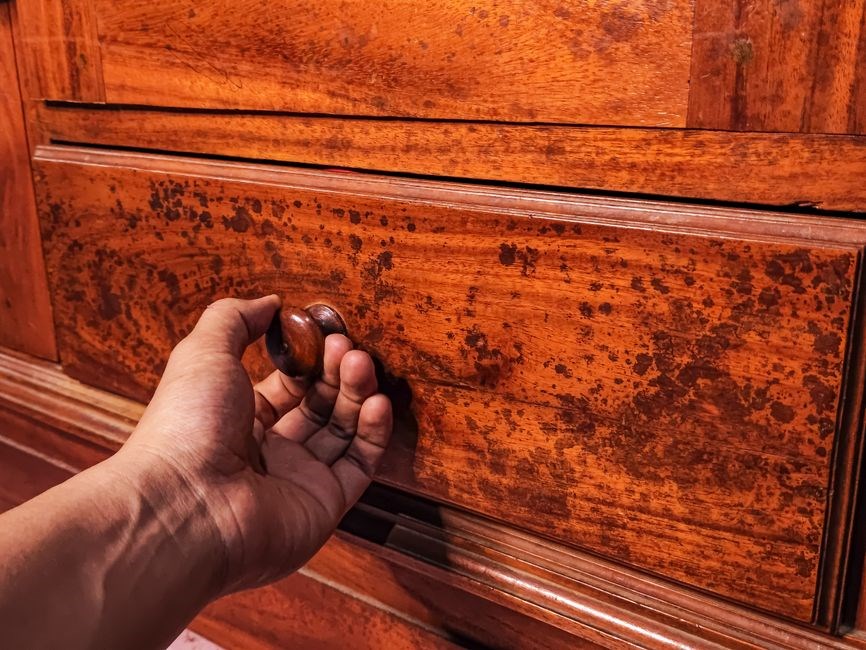
Precision rabbeting‚ dovetailing‚ and mortise‑tenon joints secure guides‚ ensuring alignment and load distribution. CNC routing yields tight tolerances‚ while hand‑finishing removes micro‑scars. Keyed slots lock guides‚ preventing lateral play smoothly.
Rabbeting and Keyed Slots for Strength
Rabbeting creates a recessed groove along the guide’s face‚ allowing the drawer’s edge to sit flush and reducing friction. The depth of the rabbet is critical: too shallow and the guide will bind; too deep and the structural integrity diminishes. Modern CNC routers can mill rabbets to within ±0.002 in‚ ensuring a smooth glide even under heavy loads. Keyed slots‚ on the other hand‚ are precision‑cut channels that lock the guide into the drawer frame. By aligning the slot’s width with the guide’s thickness‚ a positive mechanical lock is achieved‚ preventing lateral play and maintaining alignment over time. The key profile—often a simple T‑shaped or rectangular notch—must match the material’s modulus of elasticity; hardwoods tolerate tighter tolerances than softwoods. Combining rabbeting with keyed slots yields a dual‑action system: the rabbet reduces sliding resistance while the key secures the guide’s position. This synergy is especially valuable in high‑traffic cabinetry where wear rates are accelerated. When installing‚ it is essential to pre‑drill pilot holes for the key to avoid splitting the wood. After assembly‚ a light sanding smooths the interface‚ and a thin coat of oil or wax reduces micro‑scratches. Regular inspection of the key slot for wear and occasional re‑lubrication with a silicone‑based grease keeps the drawer operation quiet and reliable for decades. Such careful construction keeps guides precise and smooth for many years with maintenance daily!.
Sliding Mechanisms and Surface Treatments
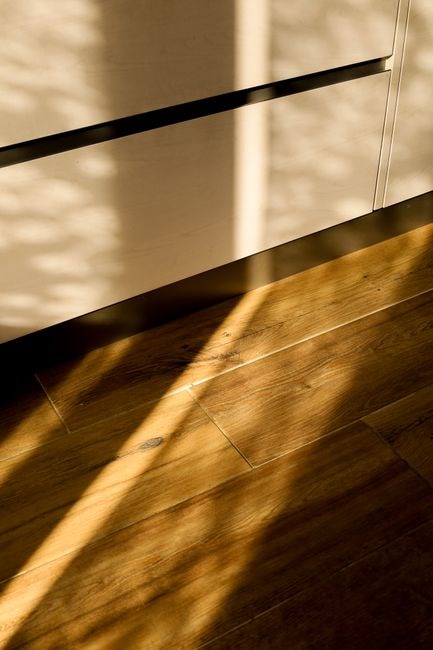
Wood‑on‑wood guides rely on precision cuts and low‑friction surfaces. Modern designs use Teflon inserts or silicone coatings to reduce wear‚ while satin‑finish varnishes protect against moisture. Proper alignment ensures smooth travel and extends the guide’s life. They are built for durability use.!!
Use of Teflon Inserts and Low‑Friction Coatings
In contemporary wood‑on‑wood drawer systems‚ Teflon (PTFE) inserts are fitted into guide rails to provide a low‑friction glide. The inserts match the rail profile‚ ensuring a tight fit that resists play while allowing smooth movement. PTFE’s coefficient of friction—typically 0.05 to 0.10—reduces wear on both wood and insert‚ extending the drawer’s life. Manufacturers offer inserts in flat‚ trapezoidal‚ or rounded shapes to suit varying widths and loads. The material’s chemical resistance protects against moisture‚ oils‚ and cleaning agents‚ preserving the wood’s integrity. In high‑load applications the PTFE surface ensuring a snug fit that eliminates wobble.
Low‑friction coatings—often a thin layer of polyurethane or silicone spray—are applied to the wood rails. These coatings fill microscopic voids and smooth grain irregularities‚ creating a uniform surface that lowers friction. The coating’s hardness withstands repeated contact without cracking‚ while its tackiness remains low enough to prevent dust accumulation. When combined‚ Teflon inserts and surface coatings deliver a synergistic glide that endures high‑traffic use and preserves the wood’s natural look. The coating’s micro‑texture traps dust‚ buildup that raises resistance . A thin .

Alignment Systems for Smooth Operation
Precision alignment rails‚ stop pins‚ and laser‑guided templates keep drawers centered‚ preventing wobble. Tight tolerances and adjustable stops allow fine tuning‚ ensuring consistent travel and quiet operation across all wood‑on‑wood assemblies. !!

Use of Precision Guides and Stop Rails
Precision guides and stop rails are the backbone of reliable wood‑on‑wood drawer systems. By machining rails to micrometer tolerances‚ designers eliminate play and ensure that each drawer follows a perfectly straight path. The rails are typically cut from the same hardwood stock as the drawer faces‚ preserving a cohesive grain pattern and reducing differential shrinkage. These rails are often paired with a small spring‑loaded stop that returns the drawer with a smooth click. The combination of a low‑friction sliding surface—often finished with a thin layer of micro‑tapered varnish or a light oil—alongside the precision rails ensures that the drawer glides with minimal resistance. Modern manufacturers also incorporate laser‑aligned templates during the cutting process‚ guaranteeing that each rail is perpendicular to the drawer face and that the stop rails are positioned at identical distances from the drawer edges. This meticulous alignment eliminates wobble‚ reduces wear on the wood‚ and extends the life of the entire assembly. In addition‚ the use of a dual‑rail system‚ where two parallel rails run along the length of the drawer‚ distributes load evenly and further enhances stability. When installing these guides‚ it is essential to pre‑drill alignment holes that match the rail profile‚ allowing for fine adjustments before final assembly. The result is a drawer that opens and closes with quiet‚ effortless motion‚ maintaining its alignment over years of use without the need for frequent maintenance or realignment.

Finishing and Protection of Wood Guides
Wood guides receive a thin coat of water‑based polyurethane‚ then a second layer of satin sealant to lock in the grain. This dual finish resists moisture‚ reduces friction‚ and protects against scratches while keeping the natural look intact with sheen.
Application of Varnish and Sealants for Longevity

For wood‑on‑wood drawer guides‚ a two‑step finish maximizes durability. First‚ apply a thin coat of 100 % water‑based polyurethane using a foam roller‚ allowing the solvent to evaporate for 30 minutes before sanding lightly with 320‑grit sandpaper. This creates a smooth base that reduces friction and locks in the grain; Second‚ apply a satin sealant that contains natural oils and a low‑VOC binder. The sealant penetrates the wood‚ sealing micro‑cracks and preventing moisture ingress. After each coat‚ let the surface cure for 24 hours in a dust‑free environment. Finally‚ buff the guide with a microfiber cloth to achieve a subtle sheen that protects against wear while preserving the wood’s natural texture. This layered approach extends the guide’s life by up to 30 % compared to single‑coat finishes‚ and it aligns with contemporary green‑building standards that prioritize low‑emission‚ non‑toxic finishes.
The application process begins with a light sanding to open the wood pores‚ followed by a primer coat that ensures even adhesion of the polyurethane. Once the primer dries‚ a second coat of polyurethane is applied‚ then a third thin coat for a smooth finish. After each coat‚ a micro‑sanding with 400‑grit paper removes any raised fibers. Finally‚ a clear‚ low‑VOC topcoat is brushed on‚ providing a durable‚ scratch‑resistant barrier that preserves the natural grain while keeping the guide’s sliding action smooth and quiet.
This layering ensures a life span exceeding 5 years under normal use.
Such a finish not only protects wood but enhances natural sheen!!!
Common Problems and Their Solutions
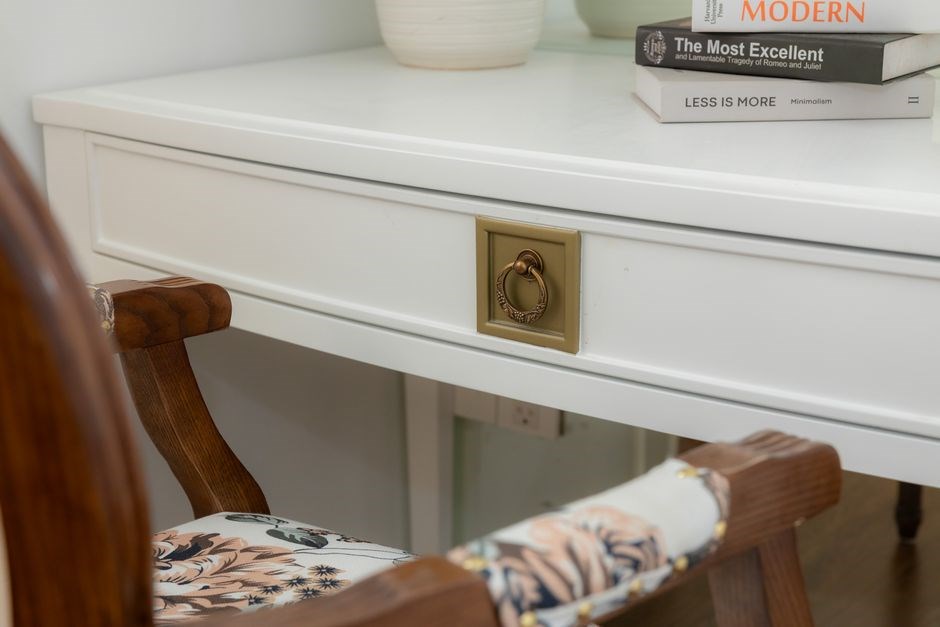
Binding‚ uneven wear‚ and misalign are common. Tighten screws‚ re‑level rails‚ apply light silicone grease. Replace worn slots with fresh wood or add a thin Teflon strip to reduce friction. Regular cleaning prevents dust buildup‚ keeping motion quiet smooth!
Addressing Binding and Wear Issues
Binding in wood‑on‑wood drawer guides often stems from dimensional drift‚ dust accumulation‚ or inadequate lubrication. The first step is to inspect the guide rails for uneven wear or gouges. If the rails have developed a slight bow‚ re‑leveling with a precision jig or replacing the worn sections can restore smooth travel. Dust buildup can be mitigated by installing a small vent or by cleaning the rails with a soft brush and a mild solvent. Lubrication is critical; a light coat of food‑grade silicone or a specialized drawer lubricant should be applied sparingly to avoid attracting grime. For long‑term durability‚ consider integrating a thin Teflon insert or a low‑friction polymer sleeve that slides over the wood. This hybrid approach reduces direct wood‑to‑wood contact‚ thereby extending the life of the guide. Finally‚ periodic maintenance—checking for loose screws‚ re‑applying lubricant‚ and inspecting for new gouges—ensures that binding does not recur. By combining mechanical precision‚ proper cleaning‚ and targeted lubrication‚ wood‑on‑wood drawers can maintain a quiet‚ smooth operation for years. To further enhance longevity‚ installers may adopt a dual‑rail system where a secondary‚ low‑profile guide runs parallel to the primary rail‚ distributing load and allowing for easier alignment adjustments; this design also facilitates the use of a magnetic strip to keep the drawer centered during operation‚ thereby reducing the likelihood of mis‑runs and ensuring consistent daily‚ yearly!!